Safe, Task-Consistent Manipulation with Operational Space Control Barrier Functions
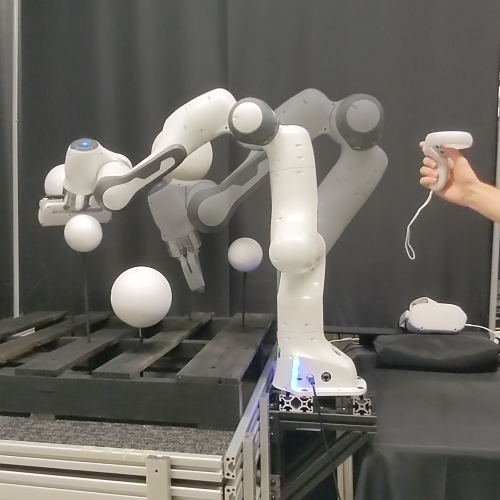
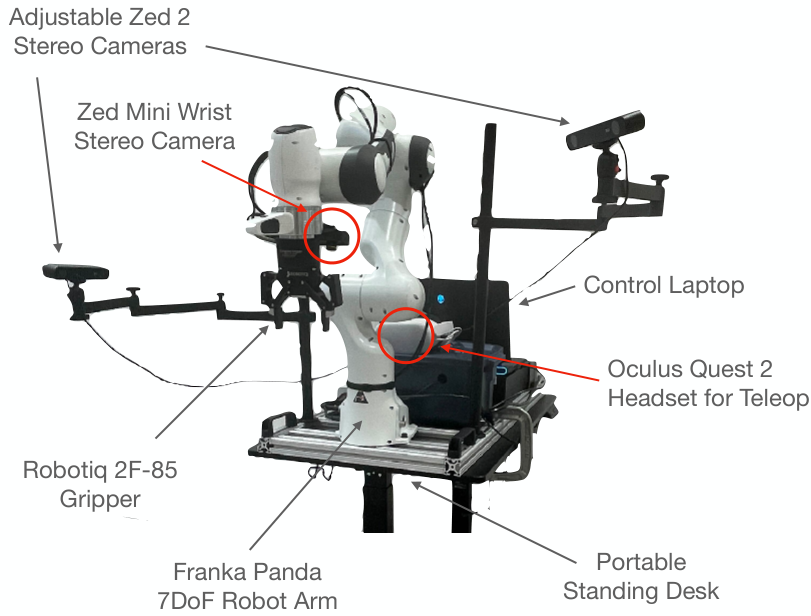
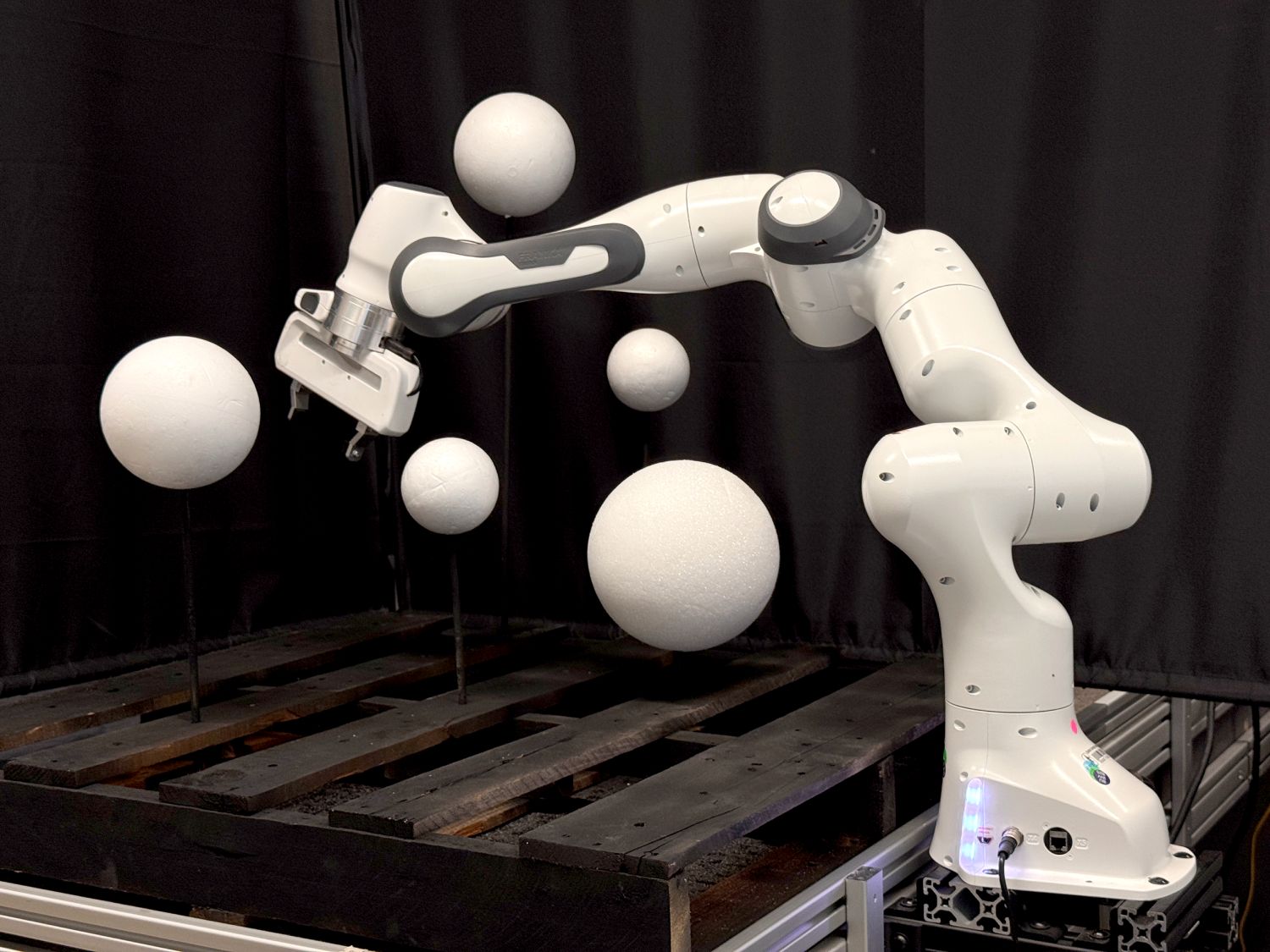
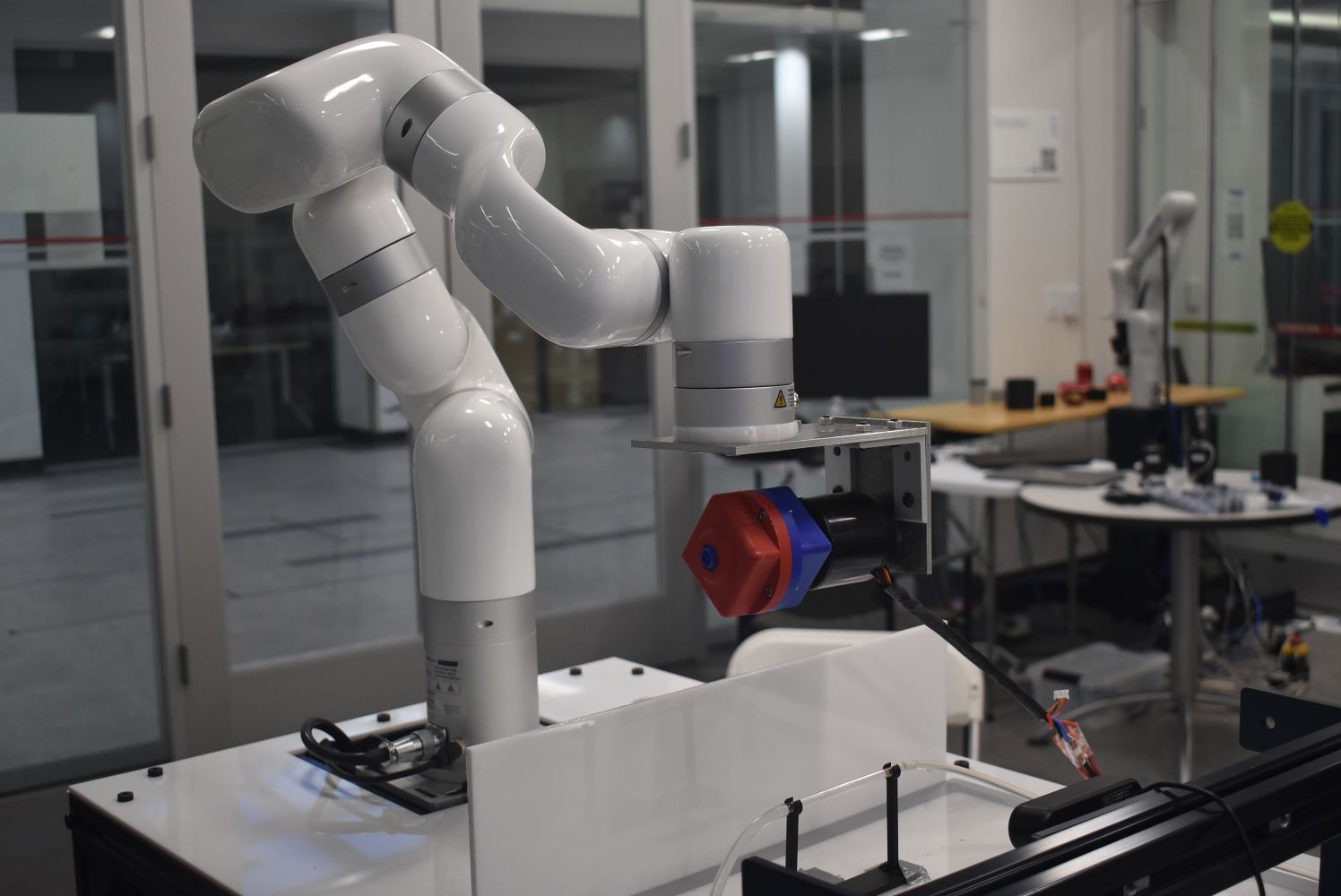
Safe, low-latency manipulator teleoperation at the limits of performance, maintaining hundreds of safety constraints at kilohertz control rates.
I am a PhD candidate at Stanford University, where I work with Marco Pavone in the Autonomous Systems Lab. Previously, I’ve worked with Jeannette Bohg during my Master’s, and Rob Shepherd in undergrad. I am also a current 2024 NASA Space Technology Graduate Research Fellow, and was a 2022 NSF Graduate Research Fellow.
In my research, I focus on highly dynamic control, tight integration of learning and model-based optimization, and operating at the limits of performance and safety, for a wide range of robot hardware platforms and learned models.
Safe, low-latency manipulator teleoperation at the limits of performance, maintaining hundreds of safety constraints at kilohertz control rates.
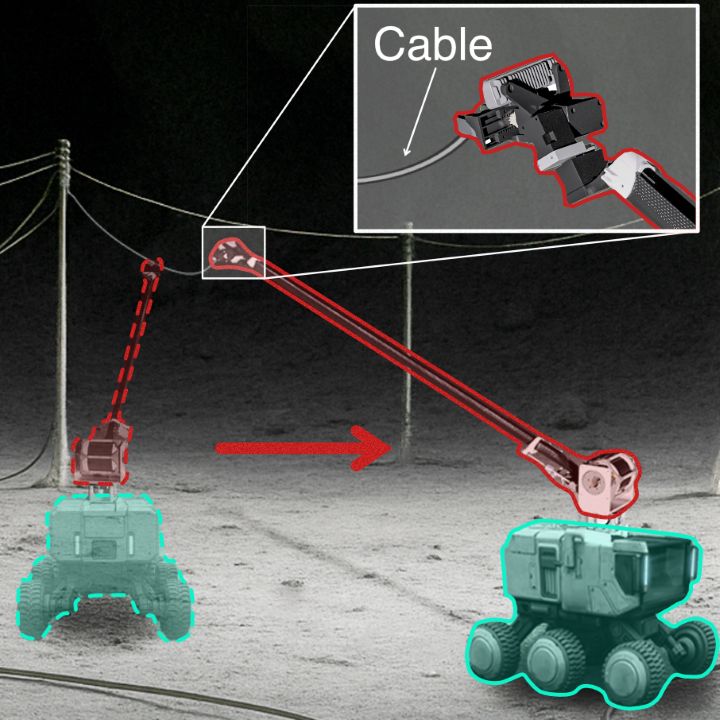
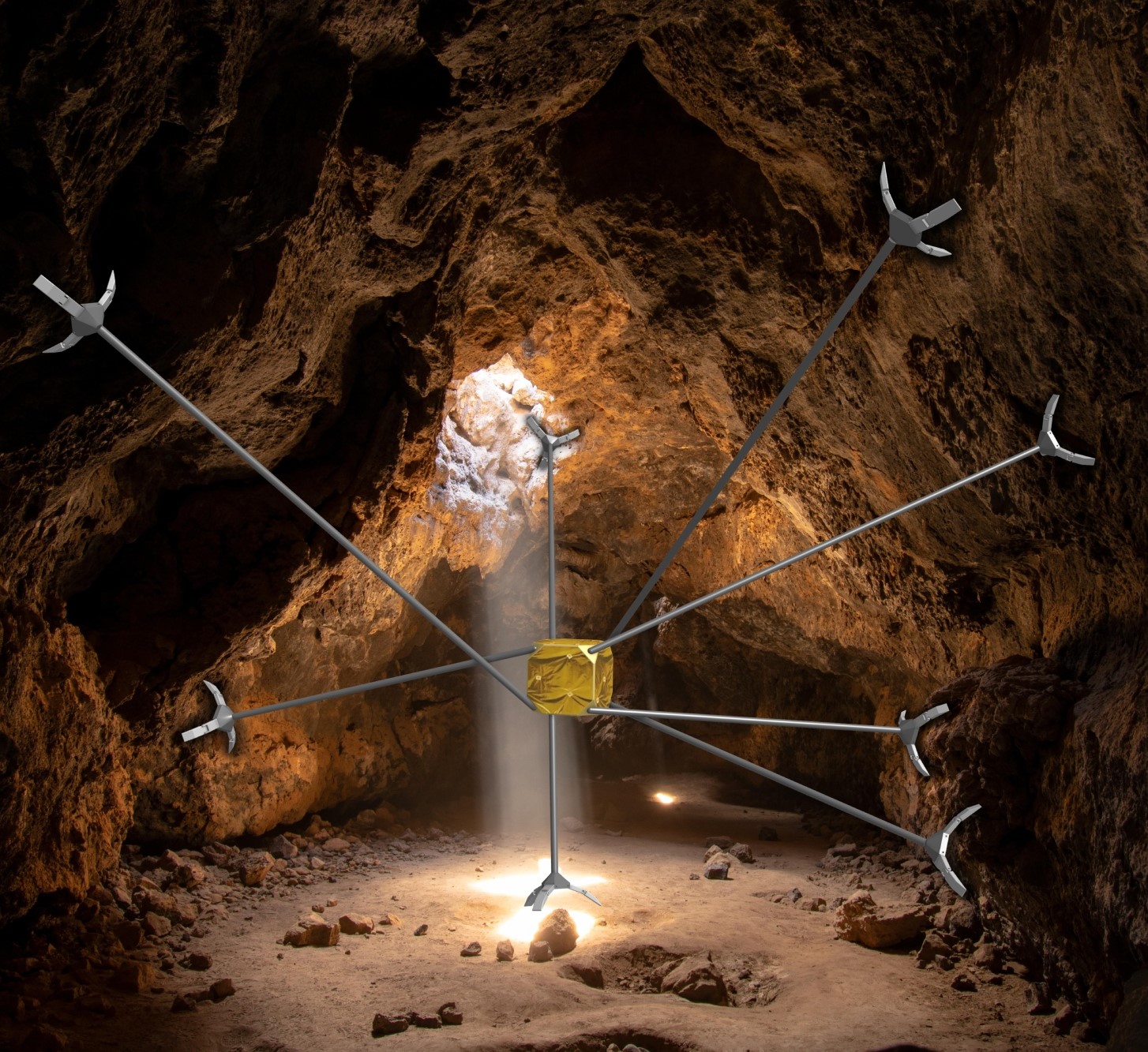
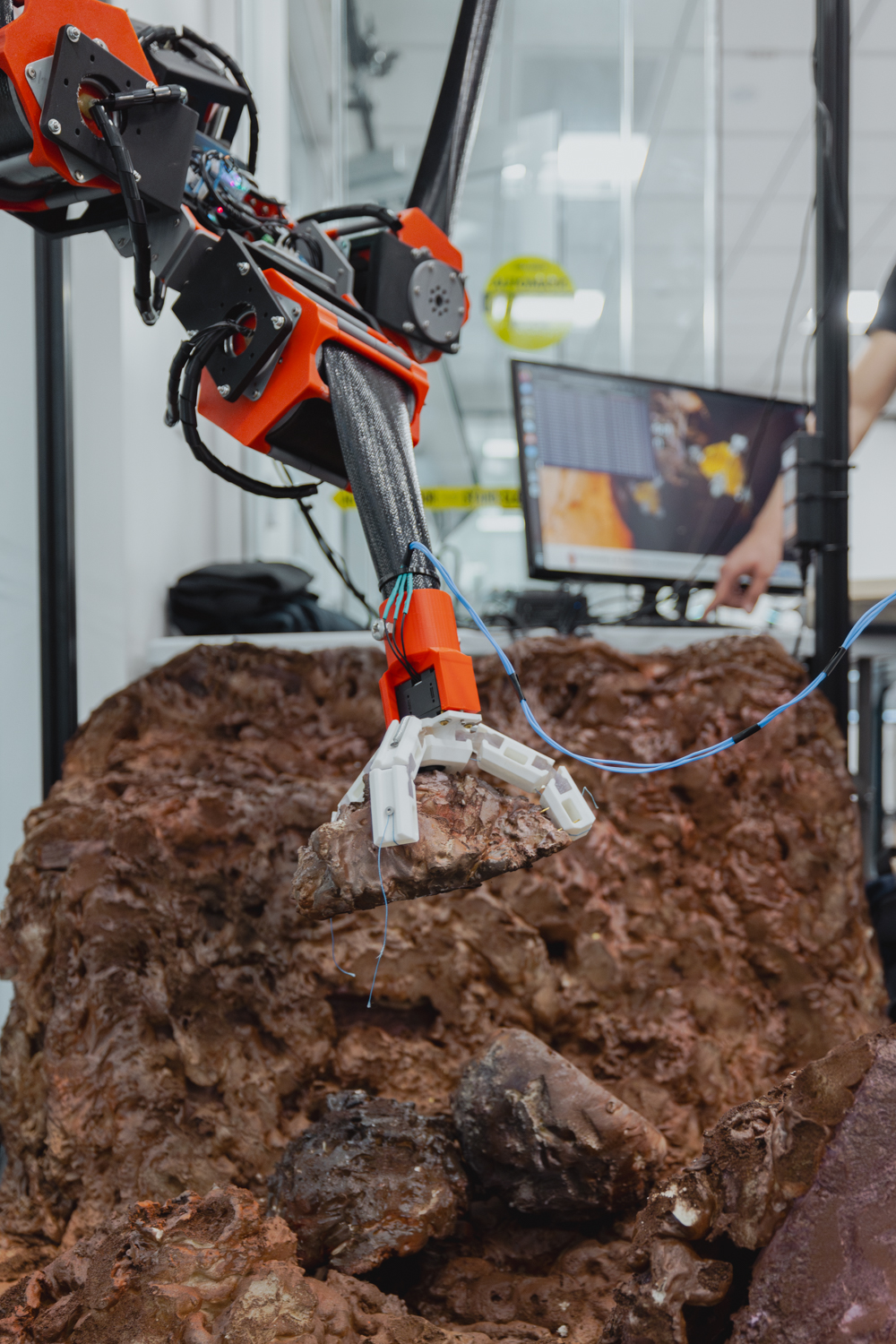
Optimization-based manipulation planning methods for ReachBot, a novel multi-limbed space robot.
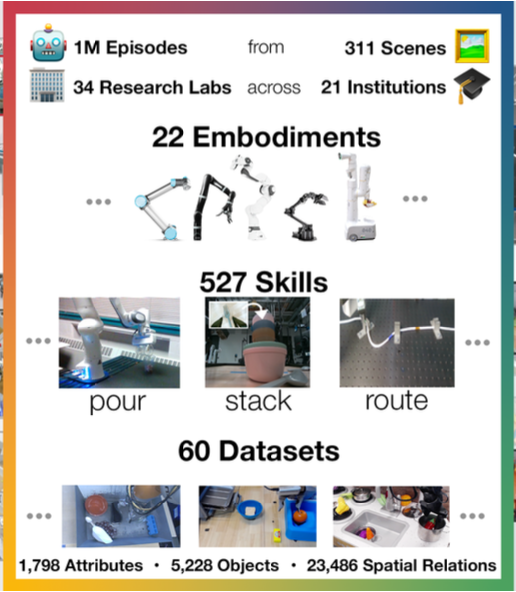
A massive dataset for robot learning, with over 1M trajectories across 22 embodiments.
A large-scale robot manipulation dataset with an emphasis on household tasks. (If you look closely, you'll find my old apartment)
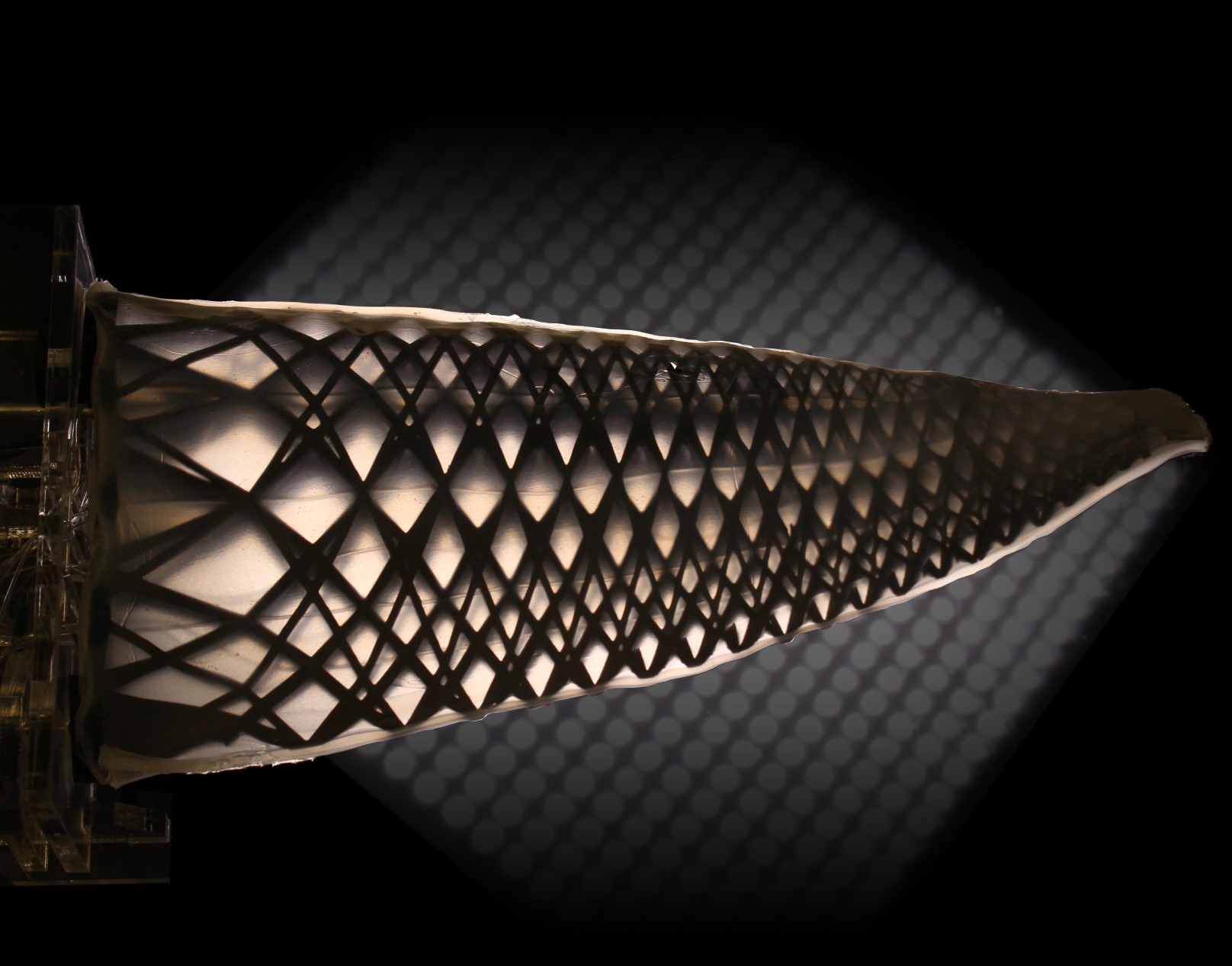
A soft robotic wing capable of multi-degree-of-freedom shape morphing via an elastomeric lattice with embedded optical sensing.
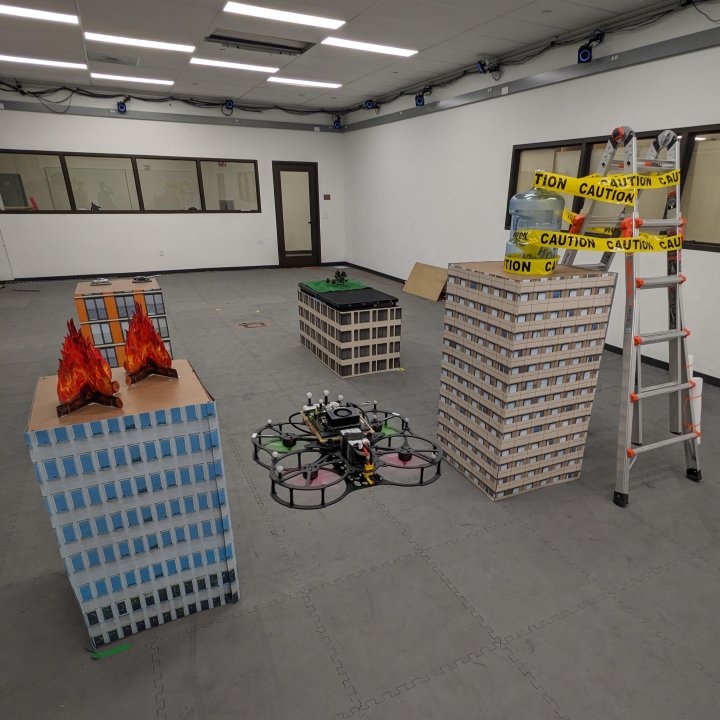
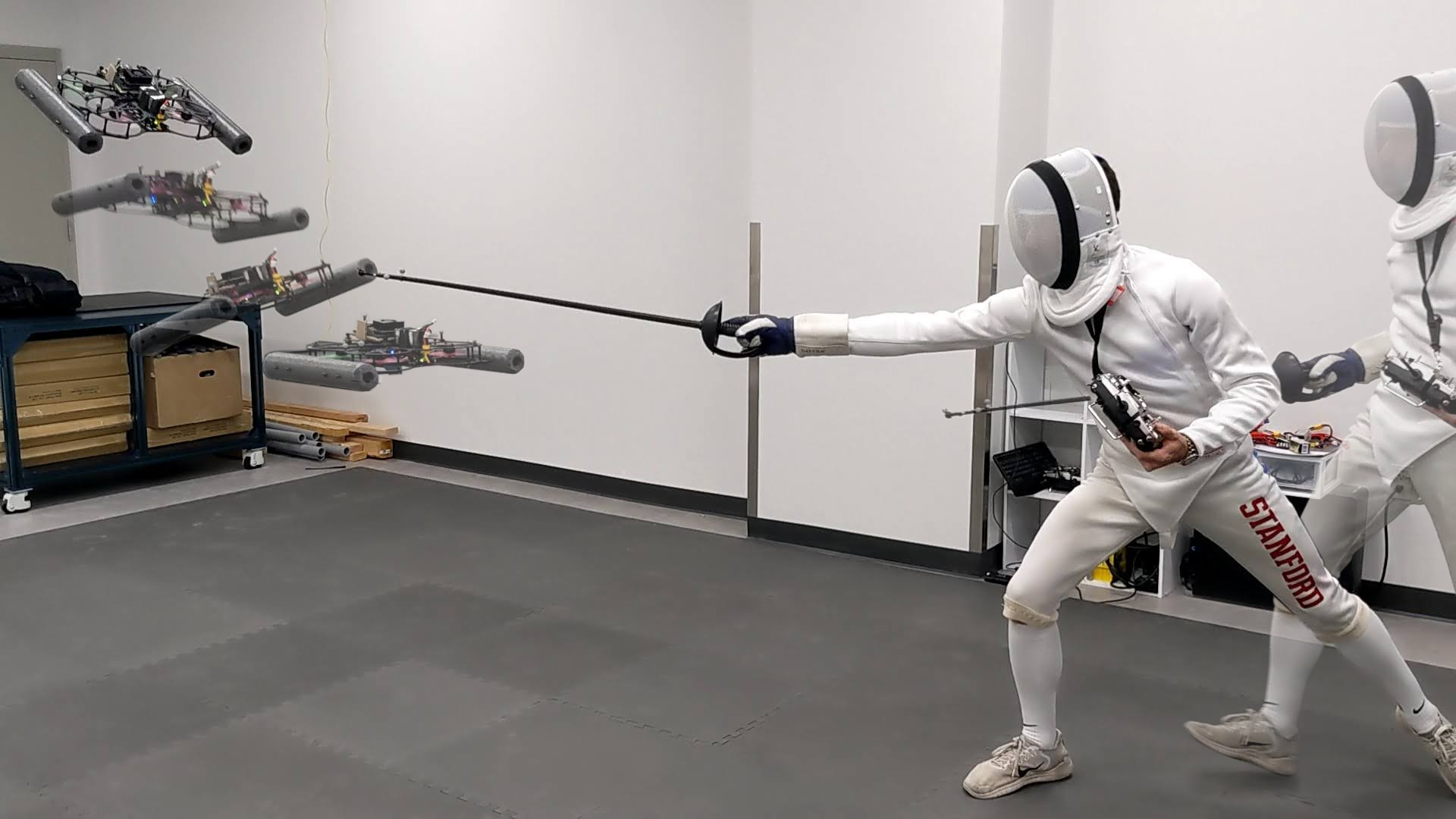
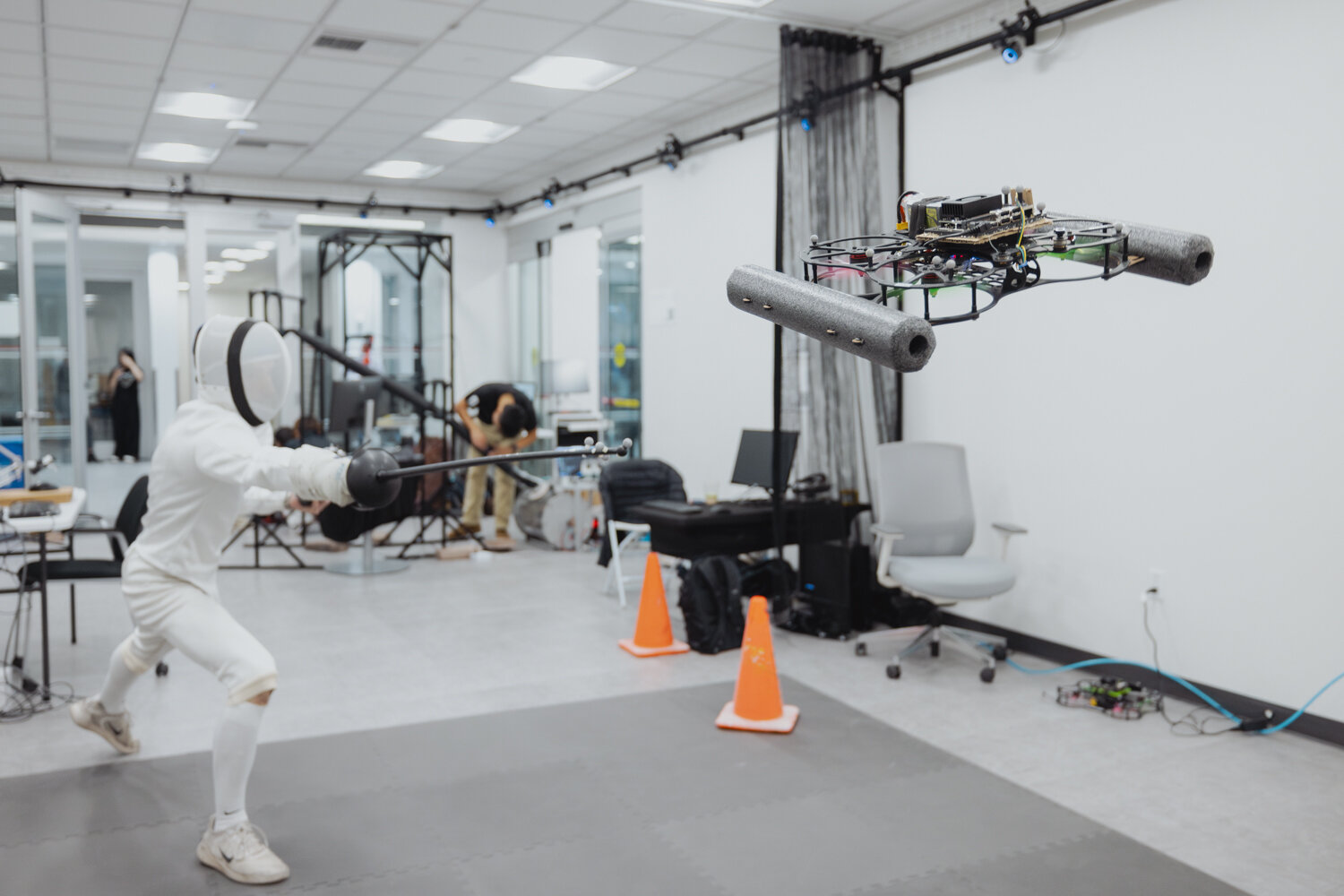
Dynamic collision avoidance with control barrier functions
An easy-to-use and high-performance framework for constructing and solving Control Barrier Functions (CBFs) and Control Lyapunov Functions (CLFs)
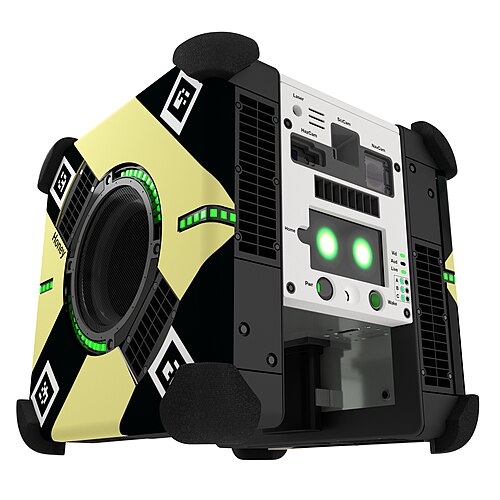
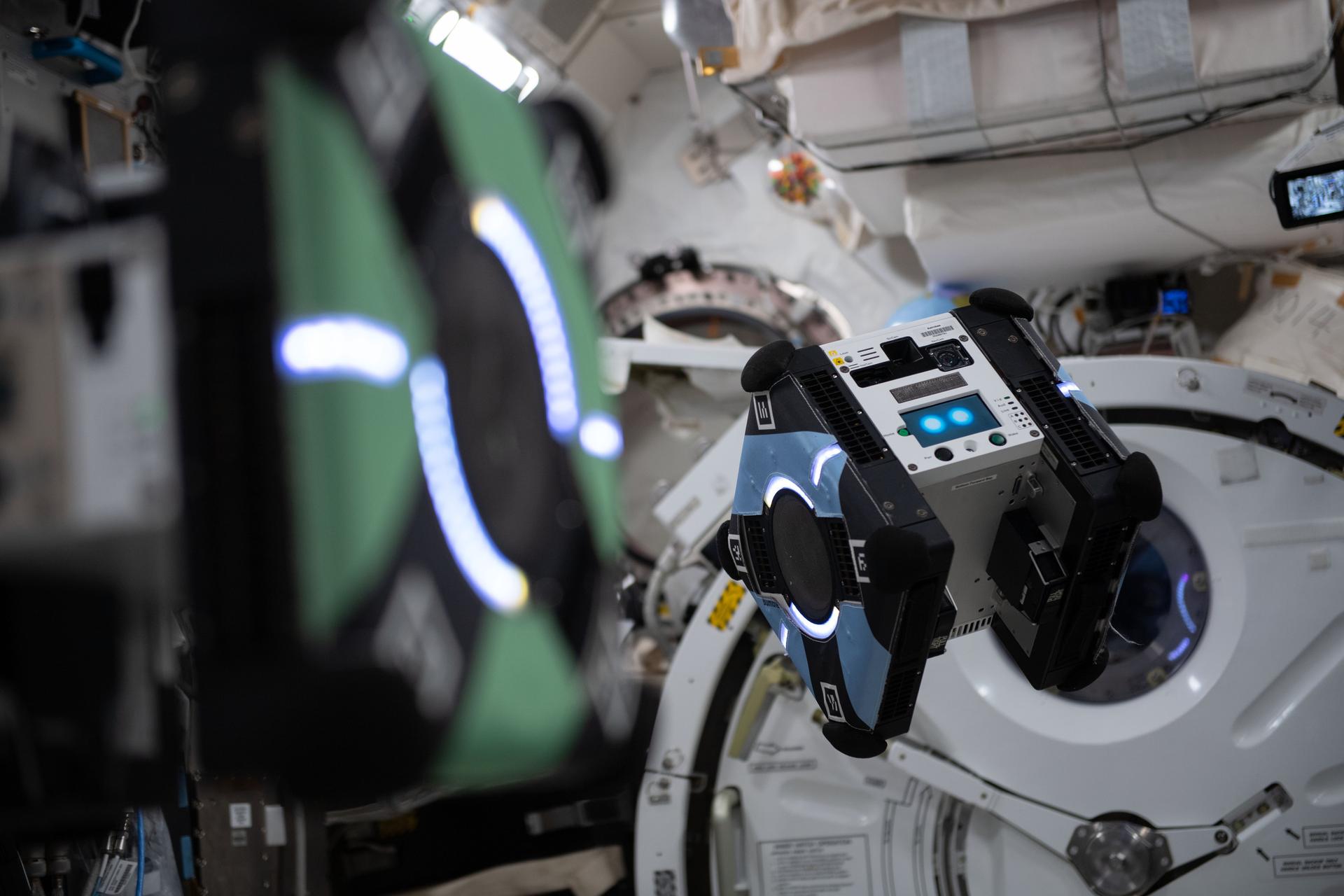
Free-floating space robot simulation and control, with an emphasis on deformable cargo manipulation and transport in the ISS